That was the moment I realized the best gifts are not always the most expensive, most popular, or most impressive-looking.
The gifts people remember are the ones that make them feel seen.
Whether you are shopping for birthdays, holidays, anniversaries, weddings, graduations, housewarmings, or just-because moments, meaningful gift-giving starts with attention.
It is not about proving how much you spent. It is about showing that you noticed who someone is, what they love, what they need, and what would make their life a little brighter.
One of the most useful insider tips for choosing memorable gifts is to listen long before the occasion arrives.
People often reveal perfect gift ideas in casual conversation.
They mention the book they have been meaning to read, the hobby they want to try, the restaurant they keep talking about, or the small inconvenience they deal with every day.
The best gift-givers are not mind readers. They are simply good observers.
They remember the coffee order, the favorite color, the pet’s name, the dream trip, the broken kitchen tool, or the song someone has been playing on repeat.
This is why personalized gifts continue to be so powerful. Personalization does not always mean engraving someone’s initials on an object, though that can be lovely when done well.
It can mean choosing a gift connected to a memory, an inside joke, a shared experience, or a personal goal.
A framed photo from a meaningful day, a custom playlist, a recipe box filled with family favorites, or a journal with a note written on the first page can feel more valuable than a luxury item chosen without thought.
Hidden gem gift ideas often live outside the obvious aisles. Instead of buying another candle, mug, or gift card, think about what would create a moment.
Experience gifts are especially memorable because they give people something to look forward to.
A pottery class, cooking lesson, concert ticket, museum membership, spa appointment, local food tour, or weekend picnic kit can become a story instead of just another item in the house.
For someone who already has everything, an experience may be far more meaningful than another physical present.
Another hidden gem is the “upgrade gift.” This means replacing something ordinary in someone’s life with a better version.
A person may never buy themselves a luxurious bath towel, a high-quality notebook, a beautiful umbrella, a cozy robe, a premium water bottle, or a better set of kitchen knives, but they may use it constantly once they have it.
Upgrade gifts work because they are both practical and thoughtful. They say, “I noticed this part of your everyday life, and I wanted to make it better.”
Matching gifts to personality is one of the simplest ways to avoid generic choices. For the sentimental person, choose gifts connected to memories, family, friendship, or personal meaning.
For the practical person, choose something useful, durable, and easy to use. For the creative person, give tools, materials, classes, or inspiration.
For the busy person, think about convenience, comfort, and stress relief.
For the adventurous person, choose experiences, travel accessories, outdoor gear, or something that supports discovery.
For the homebody, cozy gifts, books, puzzles, blankets, teas, and home upgrades can be perfect.
Budget matters, but thoughtfulness matters more. A small gift chosen with care can outshine a costly gift that feels random.
Some of the best gifts under a limited budget include handwritten letters, homemade treats, thrifted vintage finds, framed art prints, plants, customized photo gifts, curated snack boxes, or a “favorites basket” filled with little things the person loves.
The key is curation. A basket with their favorite tea, a soft pair of socks, a bookmark, and a book from a genre they love feels far more personal than a random expensive item.
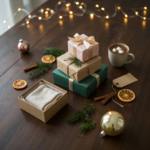
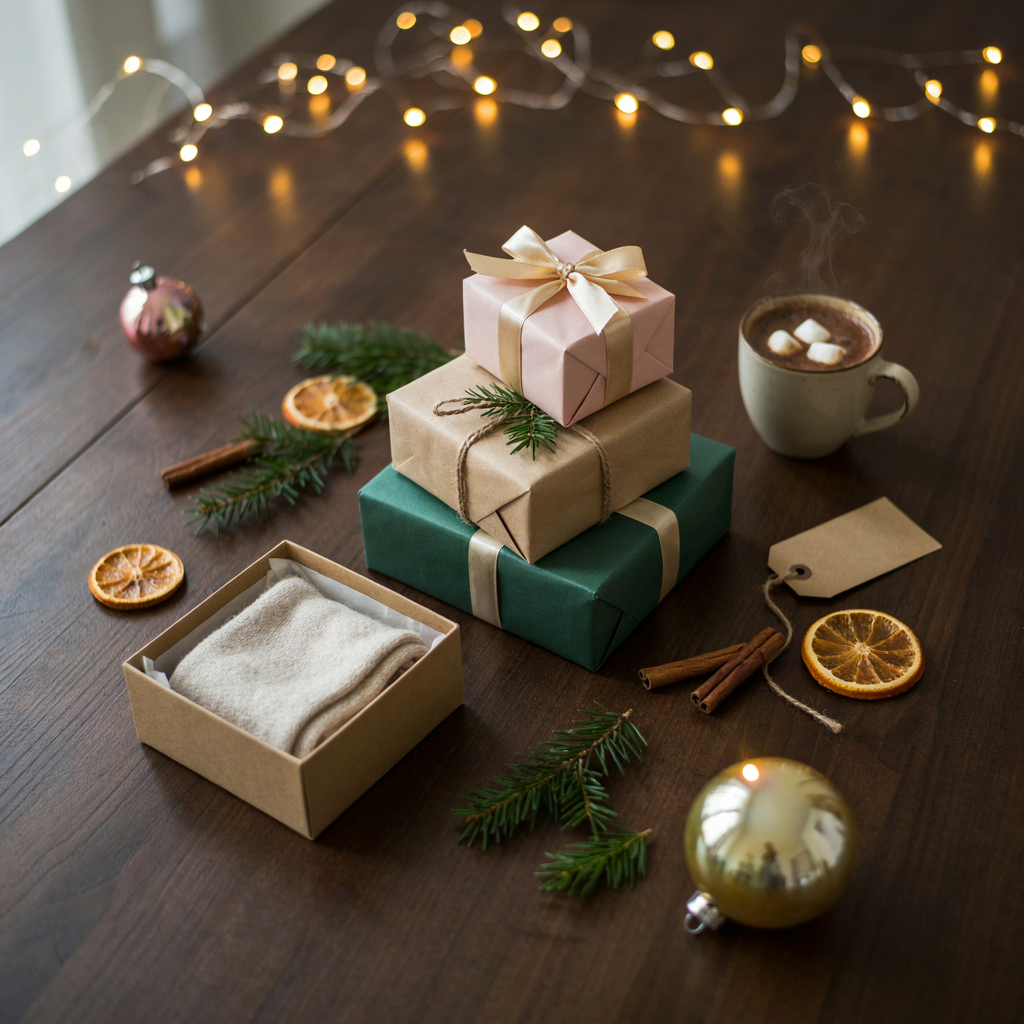
Presentation also changes the way a gift feels. You do not need professional wrapping skills to make a gift special.
A simple box, tissue paper, ribbon, dried flowers, a handwritten tag, or a small note can make even a modest gift feel intentional. The way you present a gift creates anticipation.
It tells the receiver that you did not just buy something quickly and hand it over. You cared about the moment.
One expert insight into meaningful gift-giving is that people usually remember the emotion more than the object.
A gift can communicate appreciation, encouragement, celebration, comfort, humor, admiration, or love. Before choosing a gift, ask yourself what you want the person to feel.
Do you want them to feel relaxed? Inspired? Celebrated? Understood? Supported? Once you know the emotion, the gift becomes easier to choose.
For example, if someone is going through a stressful season, the best gift might not be flashy.
It could be a meal delivery, a cleaning service, a calming tea set, a soft blanket, or an offer to take something off their plate.
If someone just reached a major goal, a keepsake, framed certificate, elegant pen, or celebration dinner might feel perfect.
If someone feels overlooked, a deeply personal gift can remind them that they matter.
The occasion should guide the tone of the gift. Birthday gifts can be fun, personal, or indulgent. Anniversary gifts usually benefit from emotional meaning.
Graduation gifts should often support the next chapter of life. Wedding gifts can be practical, beautiful, or memory-based.
Sympathy or comfort gifts should be gentle and useful without demanding too much from the receiver. Holiday gifts can be festive, cozy, or tradition-based.
A just-because gift should feel light, warm, and sincere.
One mistake many people make is buying gifts based on their own taste instead of the receiver’s.
It is natural to choose what we like, but great gift-giving requires stepping into someone else’s world. If your style is minimalist but your friend loves bold colors, choose the bold colors.
If you love tech but your parent prefers simple, low-maintenance items, choose something simple. The gift should reflect them, not you.
Another helpful approach is to consider the person’s current life stage.
A college student, new parent, first-time homeowner, remote worker, frequent traveler, or someone starting a new job may have very different needs.
Life-stage gifts feel thoughtful because they meet people where they are. A new homeowner might appreciate quality tools, a personalized doormat, or a local hardware store gift card.
A student might love noise-canceling headphones, a snack subscription, or a compact coffee maker. A new parent may appreciate food, convenience, and rest more than decorative baby items.
When shopping for gifts, try to avoid panic buying. Last-minute gifts often feel less personal because they are chosen from whatever is available.
Keeping a simple note on your phone with gift ideas throughout the year can make gifting easier and more thoughtful.
Whenever someone mentions something they like, need, or want to try, add it to the list. By the time a birthday or holiday arrives, you will already have ideas that feel specific.
The most memorable gifts often combine usefulness with emotional connection. A cookbook is nice, but a cookbook filled with sticky notes on recipes you think they would love is better.
A blanket is cozy, but a blanket in their favorite color with a note saying it is for their movie nights feels warmer. A gift card is practical, but a gift card paired with a plan to go together feels more personal.
In the end, great gifts are not about perfection. They are about presence. They show that you paid attention, remembered something real, and chose with care.
The next time you are searching for gifts, do not start by asking, “What should I buy?” Start by asking, “Who is this person, and what would make them feel seen?”
That small shift can turn an ordinary present into something unforgettable.